
The word biomechanics gets used a lot in sport without much explanation of what it actually means in practice. In tennis, it is not just about technique — it is about understanding how your body generates, transfers and absorbs force across every shot. After fifteen years coaching in Sydney's Eastern Suburbs and thirteen years in Strength & Conditioning working alongside sports scientists, biomechanics analysis is the tool I use to make invisible problems visible — and to stop coaching symptoms instead of causes.
What biomechanics analysis actually involves
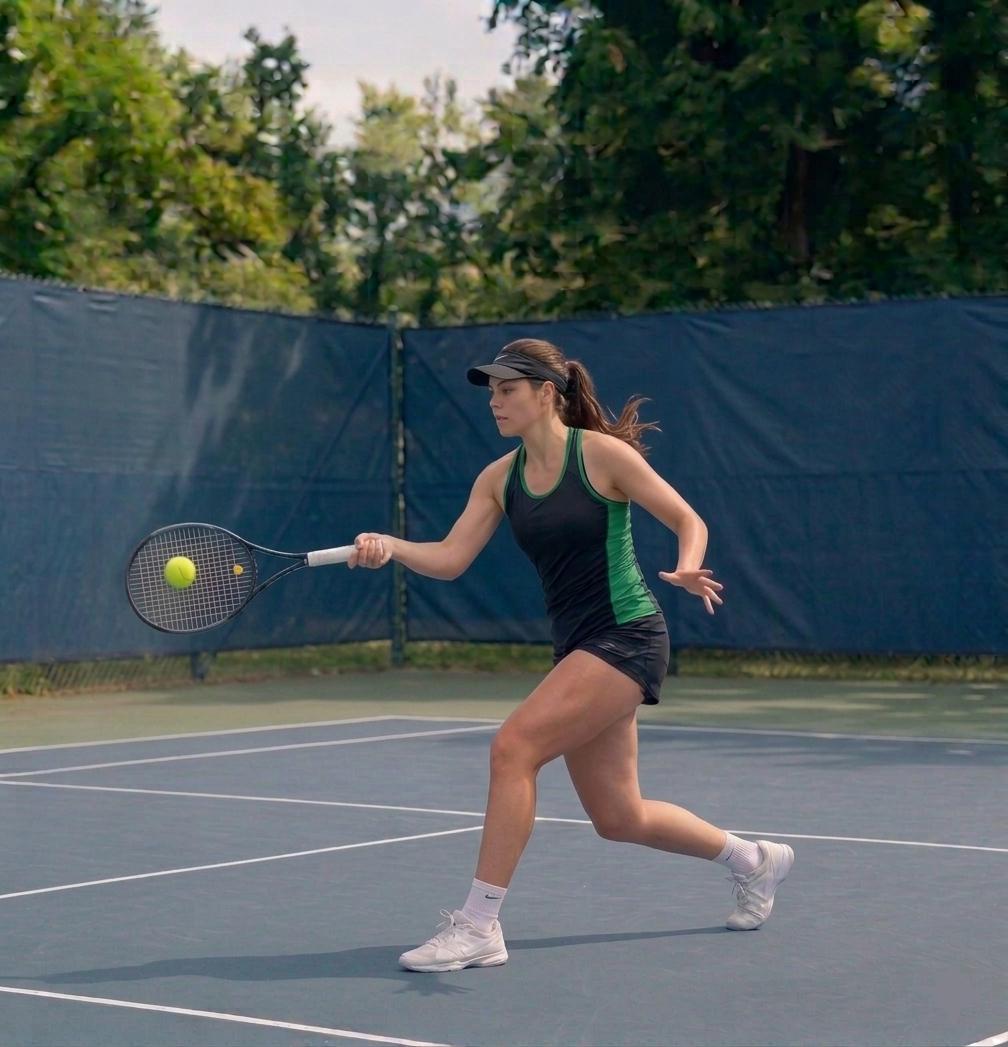
A biomechanics analysis at Systema Tennis begins with multi-camera video capture from two angles. The lateral camera — positioned side-on — reveals kinetic chain sequencing, hip drive, contact point position relative to the body, and weight transfer through the stroke. The behind-the-player camera shows shoulder rotation, toss mechanics on serve, racquet path and scapular movement. Together, these angles capture what the naked eye cannot process in real time. You hit your normal strokes. The cameras record. Then we analyse frame by frame.
What a report reveals that a standard lesson doesn't
A coach watching you hit live is processing in real time — tracking the ball, managing the session, giving feedback on the last shot while you hit the next one. Video analysis slows everything down. It identifies the exact frame where the kinetic chain breaks, the precise moment tension enters the stroke, the millisecond where contact point shifts too far behind or in front of the body. It makes invisible problems visible. The detailed report delivered within forty-eight hours translates those findings into specific, prioritised recommendations — not generic tips, but a roadmap tied to your mechanics.
The five things Bastien looks for in every analysis
Toss release point on serve is the first checkpoint. Where the ball leaves the hand — and whether it releases from extended fingertips or a bent arm — determines everything that follows in the service motion. A toss problem upstream creates compensation downstream.
Contact point position on forehand and backhand reveals whether the player is hitting in front of the body or chasing the ball late. Late contact forces wrist flicks, compromises power and increases injury risk in the elbow and shoulder.
Shoulder drop or tilt on the backhand indicates whether the player is rotating through the shot or arm-ing it. A dropping back shoulder often signals insufficient trunk rotation and excessive arm dependence.
Upper trap tension pattern shows up clearly on video — elevated shoulders through the hitting phase restrict rotation and force compensatory movement elsewhere in the chain. It is one of the most common limiters in recreational players.
Breathing pattern before key shots — serve, return, approach shots — reveals whether the player is breath-holding and bracing or breathing through the stroke. This is often the difference between practice performance and match performance.
Who genuinely benefits most
Players who have received conflicting coaching advice and do not know what to believe benefit immediately — video evidence ends the guesswork. Players with recurring injuries benefit because the analysis identifies the mechanical cause, not just the painful symptom. Players who hit well in practice but not in matches benefit because the analysis often reveals tension patterns that only appear under pressure. Players with a specific rating goal — UTR, pennant, tournament level — benefit because it identifies the exact limiters holding their match performance back. Players returning after injury benefit because it establishes a safe baseline before load is added. Full details of the session are on the biomechanics analysis program page.
What happens after the analysis
You receive a detailed written report and password-protected video delivery within forty-eight hours. The report prioritises findings — what to address first, what can wait, and how each recommendation connects to your goals. For players on the intensive program, a comparison report at week six shows the delta — what changed mechanically and how it translated to on-court performance. The analysis is not a one-off product. It is the foundation everything else is built on.
Book a biomechanics analysis session — $300, includes multi-camera video capture and a detailed report delivered within 48 hours.
Message on WhatsAppConclusion
Biomechanics analysis is not a luxury — it is the difference between coaching symptoms and coaching causes. If you have been stuck at the same level, dealing with the same injuries, or receiving contradictory advice, video analysis will show you exactly what is happening — and what to do about it.